March 25, 2026 · 7 min read
Are Rolex Watches a Good Investment? What the Data Actually Shows
An honest look at Rolex as an investment, which models hold value, which ones don't, and what you should know before buying with resale in mind.
The short answer is: it depends on the model, the condition, and your definition of "investment." Some Rolex watches have appreciated dramatically over the past two decades. Others have barely kept pace with inflation. The difference between a smart purchase and a disappointing one comes down to understanding what actually drives value in this market.
This is not financial advice. This is an educational overview of how the Rolex secondary market works and what the historical data suggests.
Which Models Tend to Appreciate?
Steel sports models with high demand and limited production consistently perform best on the secondary market. The Daytona, GMT-Master II, and Submariner have all traded above retail for extended periods. Specific references with discontinued features or unique color combinations tend to appreciate the most.
Vintage models with original parts, especially those from the 1960s and 1970s, have seen the strongest long-term gains. A vintage Daytona from the Paul Newman era has gone from being a modestly priced used watch to a six-figure collectible over the span of a few decades. However, the vintage market requires significant expertise to navigate safely.
Which Models Lose Value?
Precious metal dress watches tend to depreciate from retail, at least in the short term. A gold Datejust or Day-Date purchased new will typically sell for less than retail in the first few years. The gold content provides a value floor, but these watches are more readily available at authorized dealers, which limits secondary market premiums.
Diamond-set models and heavily customized configurations generally lose more value. Aftermarket modifications, such as custom dials or added diamonds, almost always decrease value among serious collectors. Factory-original condition is what the market rewards.
The 2021-2023 Correction
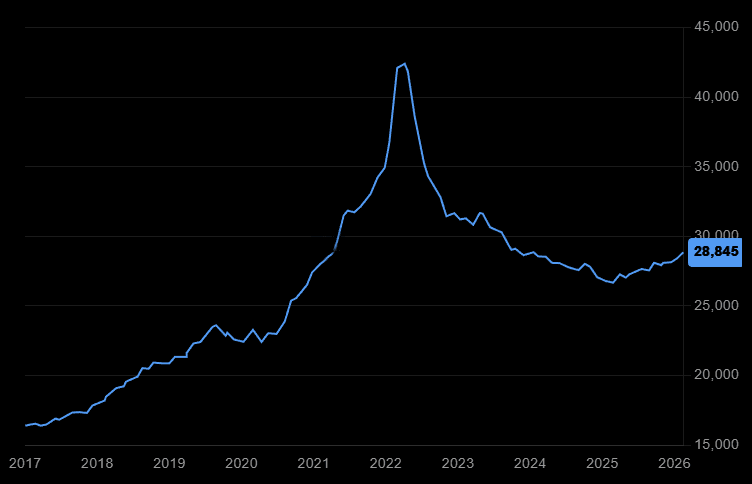
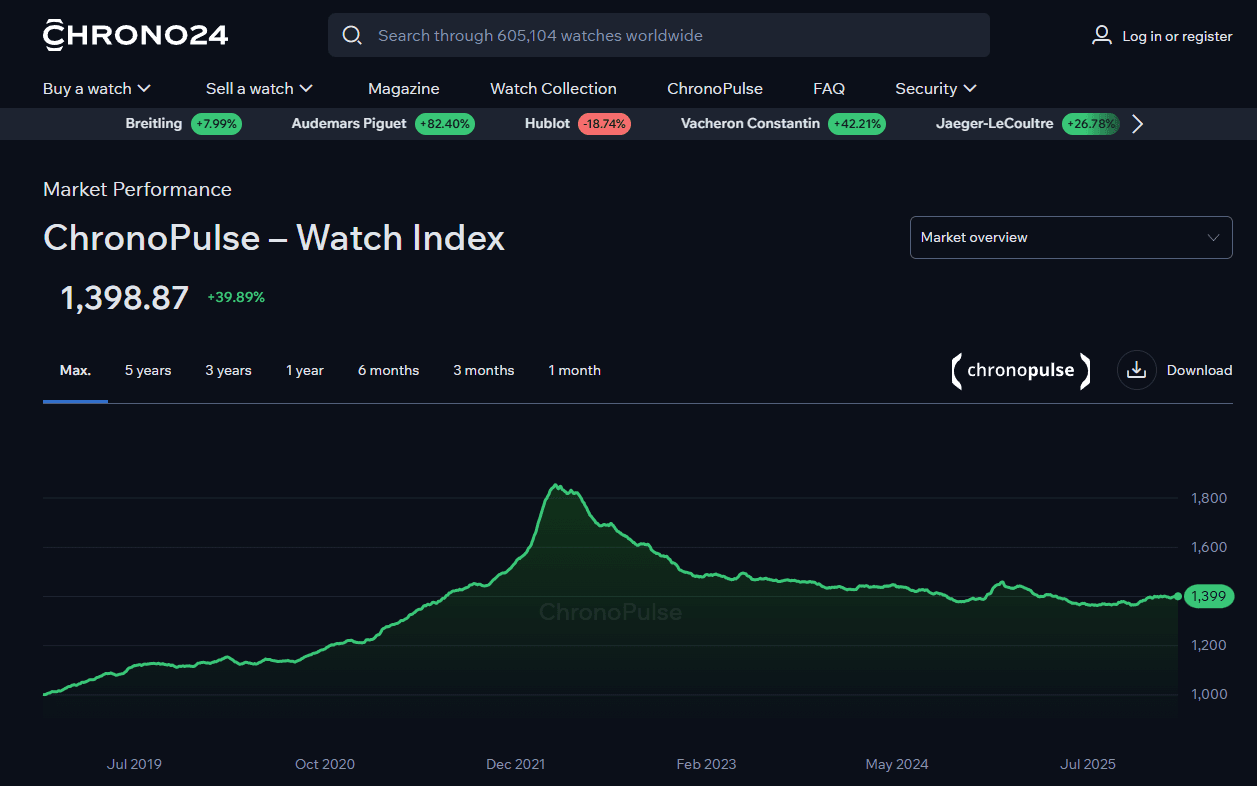
The Rolex secondary market saw extraordinary price increases during 2021 and early 2022, driven by a combination of pandemic savings, speculative buying, and social media hype. Some references traded at two to three times their retail price. By mid-2022, prices began correcting, and many models lost 20-40% of their peak values over the following year.
This correction was a useful reminder that watches are not stocks. Short-term speculation on luxury goods carries real risk. Buyers who paid peak prices for quick flips ended up holding watches worth less than they paid. Buyers who purchased watches they actually wanted to wear were largely unaffected, because they were not planning to sell.
What Actually Drives Rolex Value?
Several factors influence whether a specific Rolex holds or gains value over time:
- Scarcity at retail. Models with long waitlists naturally trade above retail on the secondary market. When Rolex discontinues a reference, remaining supply decreases and prices often rise.
- Condition. Unworn or excellent-condition watches command premiums. Scratches, polishing (which removes original finishing), and replaced parts all reduce value.
- Complete set. Original box, papers, warranty card, hang tags, and purchase receipt significantly increase resale value. A "full set" Submariner can sell for substantially more than a "watch only" example of the same reference.
- Service history. Documented service by Rolex or a reputable independent watchmaker adds confidence for buyers. Watches with unknown service histories sell for less.
- Cultural relevance. Models associated with famous people, events, or moments in pop culture tend to attract premium prices. This is harder to predict but powerful when it happens.
Buying to Wear vs. Buying to Invest
The healthiest approach is to buy a Rolex you genuinely want to wear and treat any appreciation as a bonus. Watches are meant to be enjoyed, and the true value of a Rolex includes the pleasure of owning and wearing it. If you buy purely for investment, you are competing with professional dealers and speculators who do this full-time.
That said, making an informed purchase means you are far less likely to overpay or choose a model with poor resale characteristics. The difference between an educated buyer and an uneducated one is often thousands of dollars in the pre-owned market.
The Bottom Line
Rolex watches can be a reasonable store of value, particularly steel sports models in excellent condition with complete sets. But they are not guaranteed investments, and the market carries real volatility. The best strategy is straightforward: learn the models, understand the market, buy what you love at a fair price, and take care of it. Everything else is speculation.
For a model-by-model breakdown of which references hold value, read our guide to the best Rolex models to invest in. If you are interested in the vintage side, our vintage Rolex buying guide covers what to watch for. And when it comes time to sell, see our comparison of dealers, auctions, and private sales.
Think You Know Rolex?
Put your knowledge to the test with the free 12-question Chronodex challenge. No account required. See how you rank against thousands of other enthusiasts.
Take the Free ChallengeThis article is for educational purposes only. Chronodex is not affiliated with, endorsed by, or sponsored by Rolex SA, Rolex USA, or any of their subsidiaries. All brand names are used for educational and identification purposes only.