May 13, 2026 · 9 min read
How to Sell a Rolex: Dealers, Auctions, and Private Sales Compared
Compare the pros and cons of selling your Rolex through dealers, auction houses, private sales, and consignment to get the best price.
Selling a Rolex is not the same as selling any other watch. Rolex occupies a unique position in the market where brand recognition, model rarity, condition, and documentation all play major roles in determining what you will actually receive. Whether you inherited a vintage Datejust or you are ready to move on from a Submariner you bought five years ago, the selling method you choose will directly affect how much money ends up in your pocket and how quickly you get it.
Know What You Have Before You Sell
Before contacting any buyer, take time to identify your watch properly. Find the reference number between the lugs (you will need to remove the bracelet at 12 o'clock to see it). Write down the serial number as well, which sits on the opposite side between the lugs at 6 o'clock on older models or is engraved on the inner rehaut on newer ones.
Once you have the reference number, research recent sold prices for that specific reference. Platforms like Chrono24, WatchCharts, and completed eBay listings give a solid picture of current market values. Be honest about your watch's condition. Scratches on the case, bracelet stretch, faded lume, and missing original parts all affect value. A watch with its original box, papers, hang tags, and purchase receipt will almost always sell for more than the same model without documentation.
Option 1: Selling to a Dealer
Selling to a watch dealer is the fastest way to convert your Rolex into cash. Established dealers buy watches daily and can typically make an offer within hours. Some operate online and will send you a prepaid shipping label after reviewing photos.
The tradeoff is price. Dealers need to make a profit when they resell your watch, so their offers typically fall 15 to 30 percent below market value. For common models like a steel Datejust 41, the discount may be steeper because dealers already have plenty in stock. For harder to find references, dealer offers can be more competitive since they know they can move the piece quickly.
When choosing a dealer, look for established businesses with verifiable reviews, physical locations, and clear buying processes. Get quotes from at least three dealers before accepting any offer. Prices can vary significantly between buyers, and having multiple offers gives you leverage.
Option 2: Auction Houses
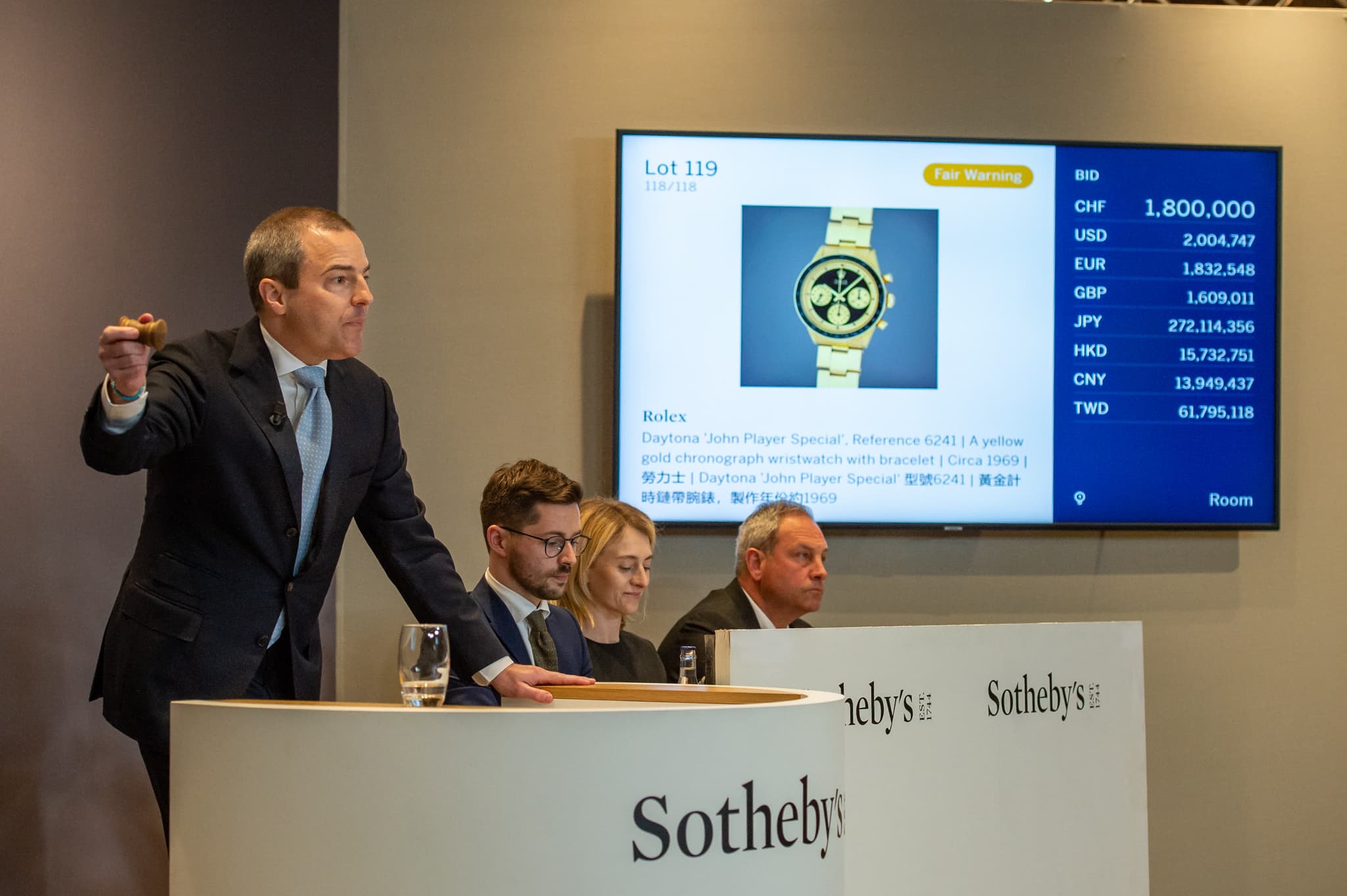
Auction houses work best for rare, vintage, or highly collectible Rolex watches. If you own a Paul Newman Daytona, a tropical dial Submariner, or any reference with significant collector interest, an auction can push the final price well above what a dealer would offer. The competitive bidding environment creates urgency and can produce surprising results.
The downsides are real, though. Auction houses charge seller commissions that typically range from 10 to 25 percent of the hammer price. The process is also slow. From consignment to payout, you might wait two to four months. There is also no guaranteed sale price. If bidding is weak on a particular day, your watch could sell for less than expected, and you may still owe fees.
For modern production Rolex watches in standard configurations, auctions rarely make sense. The fees eat into your proceeds, and the timeline is too long for pieces that can be sold more efficiently through other channels.
Option 3: Private Sales
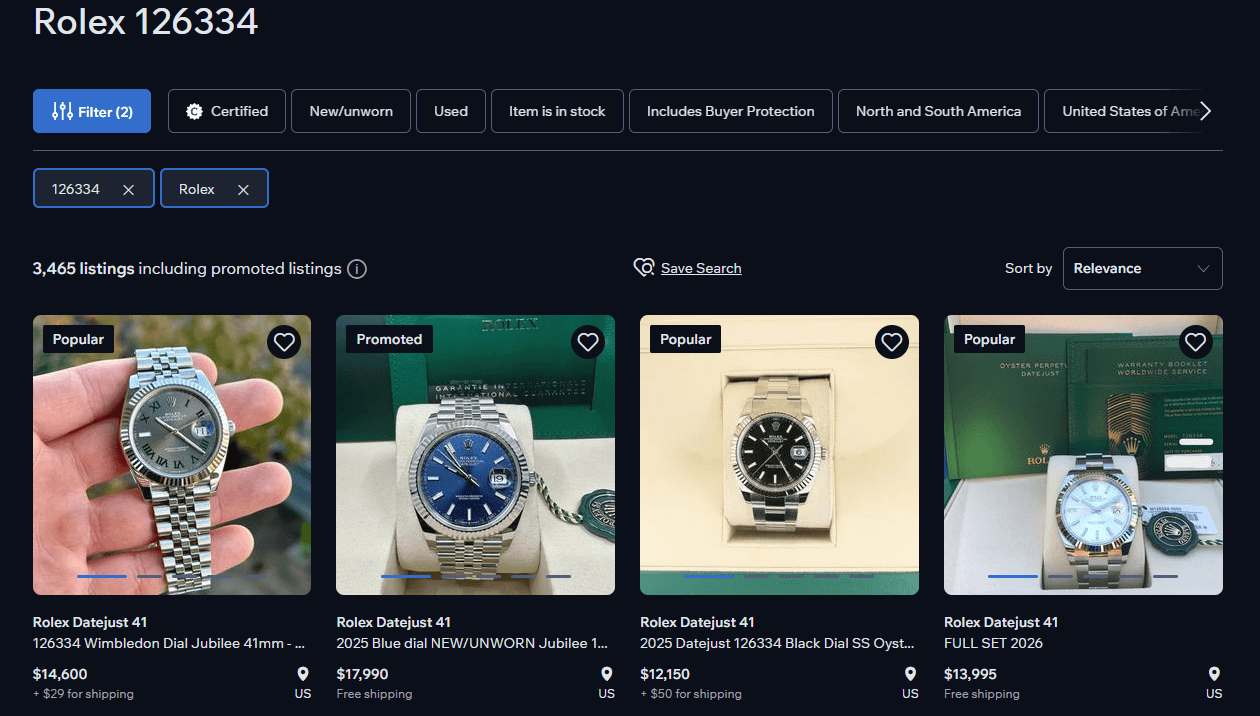
Selling directly to another collector or enthusiast eliminates the middleman and usually nets you the highest return. Online forums, watch communities, social media groups, and dedicated marketplace apps are all common venues for private Rolex sales.
Private sales come with their own challenges. You are responsible for vetting buyers, handling payment securely, shipping the watch safely with insurance, and managing the entire transaction. Scam attempts are common in the luxury watch space. Fake payment confirmations, chargebacks through payment processors, and buyers who claim the watch arrived damaged are all real risks.
To protect yourself in a private sale, use payment methods that are hard to reverse (bank wire is standard for high-value watch transactions). Ship with full insurance and require a signature on delivery. Document the watch with detailed photos and video before shipping, and keep all communication in writing.
Option 4: Consignment
Consignment sits between dealer sales and private sales. You place your watch with a trusted seller who handles the marketing, photography, listing, and transaction on your behalf. When the watch sells, they take a percentage (typically 5 to 15 percent) and send you the rest.
This works well for sellers who want a higher price than a dealer buyout but do not want the hassle of managing a private sale. Choose consignment partners carefully. Confirm their insurance coverage, ask about their average time to sale, and understand exactly when and how you will be paid.
Timing Your Sale
The Rolex secondary market fluctuates based on supply, demand, and broader economic conditions. Prices peaked dramatically in early 2022 and corrected through 2023. Since then, the market has stabilized with more predictable pricing for most references.
If you need cash quickly, waiting for a market upswing is not practical. But if you have flexibility, paying attention to seasonal trends and market data can help. Demand for sports models tends to be strongest in the fall and early winter months. Vintage pieces often perform well around major auction seasons in May and November.
Tax Considerations
In many jurisdictions, selling a watch for more than you paid triggers capital gains tax. This is especially relevant for sellers who purchased limited models at retail and are selling at a significant premium. Keep your original purchase receipt and consult a tax professional if the profit on your sale is substantial. Proper documentation protects you during any future review.
Making the Right Choice
There is no single best way to sell a Rolex. The right approach depends on what you are selling, how quickly you need the money, and how much effort you are willing to invest. Dealers offer speed at the cost of price. Auctions can maximize value for rare pieces but take time and charge fees. Private sales offer the best returns but require the most work. Consignment splits the difference.
Whatever route you choose, start by knowing exactly what your watch is worth. Education is your strongest negotiation tool.
Think You Know Rolex?
Put your knowledge to the test with the free 12-question Chronodex challenge. No account required. See how you rank against thousands of other enthusiasts.
Take the Free ChallengeThis article is for educational purposes only. Chronodex is not affiliated with, endorsed by, or sponsored by Rolex SA, Rolex USA, or any of their subsidiaries. All brand names are used for educational and identification purposes only.