September 2, 2026 · 8 min read
Rolex Dial Colors: How Color Affects Value and Collectibility
Explore how Rolex dial colors including black, blue, green, white, and rare options like Stella and meteorite affect market value, collectibility, and buyer demand.
Two identical Rolex references with different dial colors can trade $5,000 apart on the secondary market. The same Daytona in white versus black. The same Submariner in green versus black. The same Oyster Perpetual in turquoise versus silver. Color is not decoration in the Rolex world. It is a pricing variable, a collector obsession, and occasionally a speculative asset. Understanding how Rolex uses color, and how the market responds to it, gives you a real advantage when buying.
How Rolex Makes Dials
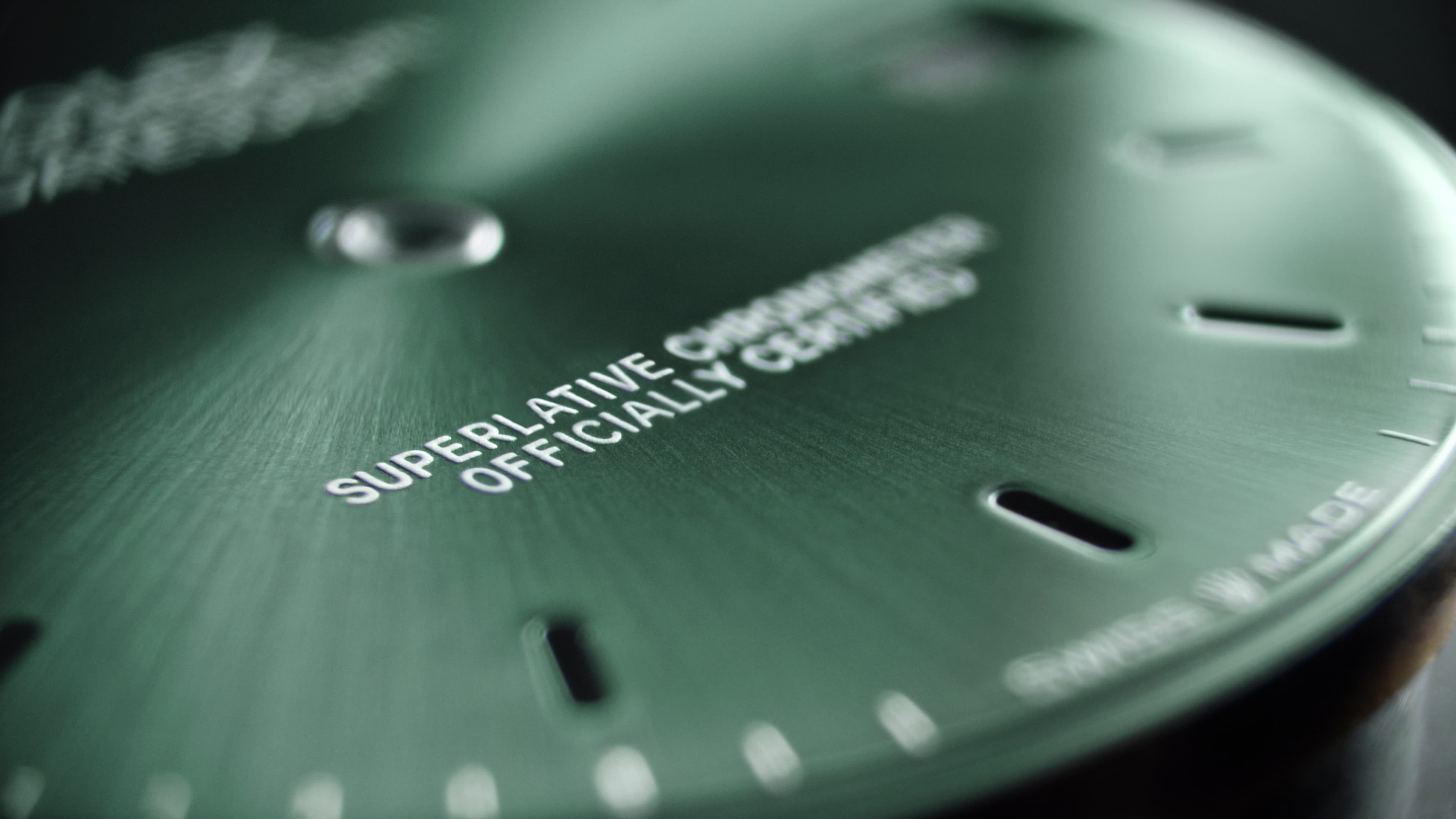
Every Rolex dial is manufactured in-house at their facility in Bienne, Switzerland. The process involves stamping a base metal disc, applying multiple layers of lacquer or galvanic coating, and then printing text and indices with extraordinary precision. Rolex uses a proprietary lacquering technique that builds depth and luminosity into the dial surface. Under different lighting conditions, a Rolex dial can shift appearance dramatically. A blue Submariner dial that looks nearly black indoors can reveal a vivid azzurro blue in direct sunlight.
This in-house manufacturing also means Rolex controls exactly which colors are available, in exactly which quantities, and can discontinue any color at any time without explanation or warning. That control is what creates the scarcity dynamics that drive so much of the secondary market.
Black: The Standard That Never Fails
Black is the default across Rolex's sport lineup: Submariner, GMT-Master II, Daytona, Explorer, Sea-Dweller. It is the most legible option in all lighting conditions, ages the most gracefully, and resists showing scratches and wear better than lighter alternatives.
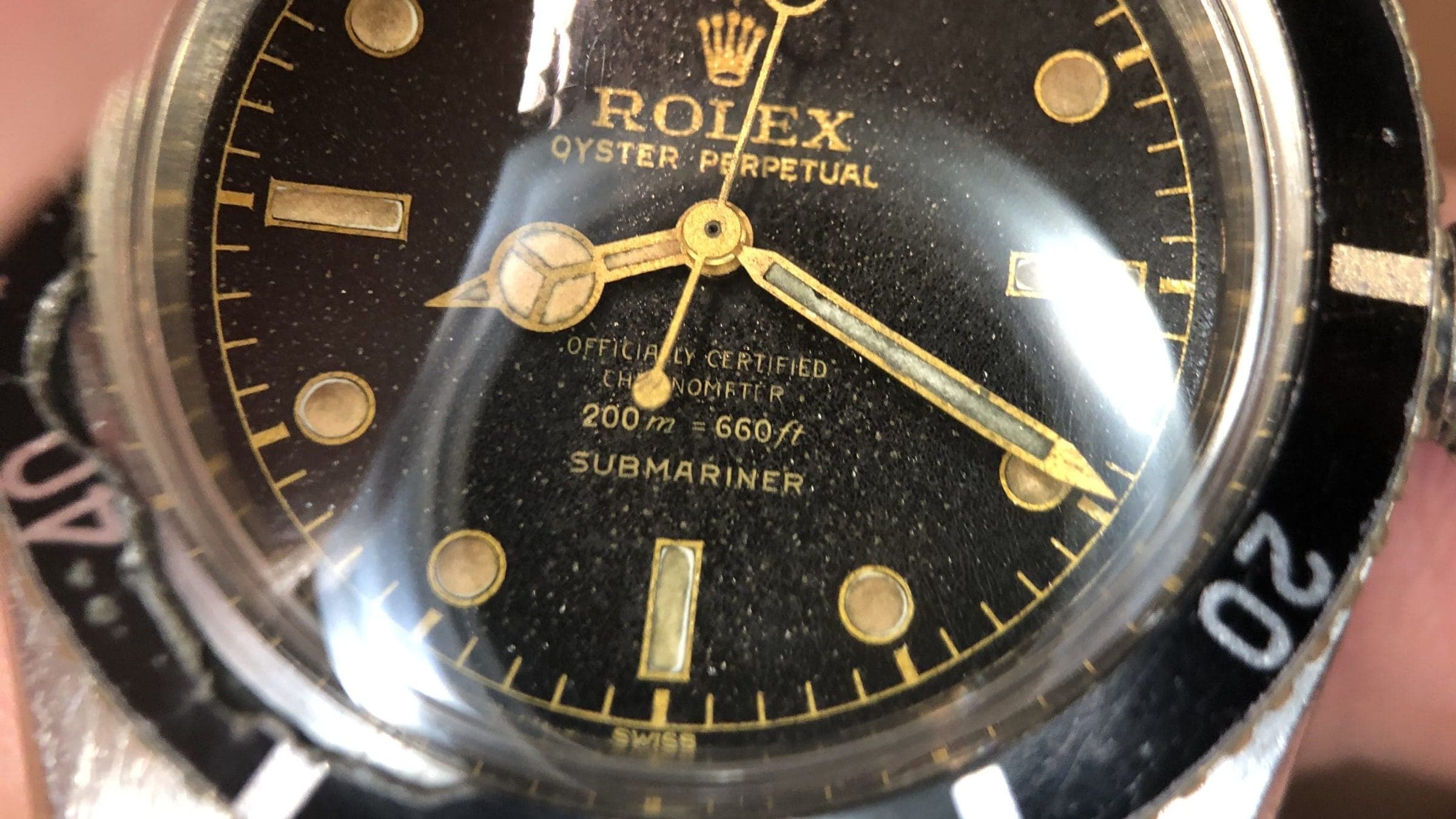
On vintage models, black dials can undergo a transformation called "tropical" aging, where UV exposure and chemical reactions gradually shift the black pigment toward warm brown, chocolate, or caramel tones over decades. This is not a defect. It is one of the most prized phenomena in vintage watch collecting. A genuine tropical dial on a ref. 5513 Submariner can add $5,000 to $15,000 to the watch's value compared to a clean black dial. The aging is unpredictable, which makes each tropical dial unique.
Blue: The Modern Power Color
Blue has become the most sought-after non-standard color in the current Rolex catalog. The Submariner Date in blue with a yellow gold or Rolesor case is one of the most recognizable luxury watches in the world. The blue Sky-Dweller (ref. 326934) became one of the most desired configurations the moment Rolex released it in steel.
What makes Rolex blue dials special is the depth. The brand's lacquering process creates multiple layers that interact with light in a way that flat-painted dials cannot replicate. In shade, the dial reads as a sophisticated dark navy. In sunlight, it opens up into a rich, electric blue. The transition between the two is seamless and constantly shifting with your environment.
Rolex uses several distinct blue shades across different models. The Submariner blue is darker and sportier. The Datejust blue is brighter and more playful. The Sky-Dweller blue is deeper and more formal. These are not random choices. Each shade is calibrated to match the character and intended wearing context of the model.
Green: The Rolex Signature
Green is Rolex's corporate color, and they use it with strategic precision. The green Submariner has become one of the most iconic modern Rolex configurations. The ref. 116610LV (the "Hulk," with its green dial and green ceramic bezel) traded at extraordinary premiums during its production run from 2010 to 2020. When Rolex discontinued it and replaced it with the ref. 126610LV (black dial, green bezel, nicknamed the "Starbucks"), the Hulk's prices jumped further.
Green Day-Date dials in olive and emerald tones have emerged as collector favorites, especially on vintage references where the green lacquer develops a unique patina over time. The green dial Daytona in yellow gold (ref. 116508), popularized by musician John Mayer's enthusiastic writing about the watch, saw a notable secondary market spike tied directly to that cultural moment.
White and Silver: The Quiet Performers
White dials on the Daytona created one of the most enduring configurations in watch collecting: the "Panda," where contrasting black sub-dials sit against a white base. The visual impact is striking, and Panda Daytonas have consistently outperformed their black-dial counterparts on the secondary market.
Silver and rhodium dials on the Datejust and Day-Date offer a refined, understated look that pairs exceptionally well with precious metal cases. These lighter dials show wear more readily than darker options, which makes condition especially important when evaluating pre-owned examples. A clean silver dial in excellent condition commands a meaningful premium over one with visible scratches or discoloration.
Stella Dials: Vintage Color at Its Boldest
In the 1970s and 1980s, Rolex produced Day-Date watches with bold lacquer dials in colors most people associate with candy, not luxury watches: bright coral, bubblegum pink, turquoise, canary yellow, and oxblood red. These are known as Stella dials, named after the company that supplied the lacquer.
When they were new, Stella dials were considered unconventional, even gaudy, by many buyers. Today, they are among the most valuable vintage Rolex dials on the market. A Day-Date ref. 18038 with an original coral Stella dial can sell for $40,000 to $60,000 or more, compared to $15,000 to $20,000 for the same reference with a standard champagne dial. The rarity of surviving original Stella dials (many were refinished or replaced over the decades) combined with the current market's appetite for color has created extraordinary premiums.
Meteorite and Exotic Materials
Rolex offers dials cut from real meteorite on select precious metal models. These dials display Widmanstatten patterns, which are crystalline structures that form over millions of years as iron-nickel meteorites cool in the vacuum of space. Every meteorite dial is literally unique because no two sections of meteorite produce identical patterns.
Mother-of-pearl dials, typically found on diamond-set models, refract light across a rainbow of iridescent colors. Each dial is cut from natural shell material, so the exact pattern and color play varies piece to piece. Stone dials (malachite, lapis lazuli, tiger's eye) on the Day-Date represent the absolute top end of dial customization, with prices that reflect both the material rarity and the craftsmanship required to shape fragile natural stone into a precise watch dial.
Ice Blue: The Platinum Marker
One of the most distinctive dial colors in the Rolex catalog is ice blue, which is exclusively reserved for platinum models. If you see a Rolex with an ice blue dial, you know immediately that the case is 950 platinum. This exclusivity makes the ice blue Day-Date one of the most recognizable luxury watches in existence. The color itself is a pale, cool blue with a subtle green undertone that looks unlike any other dial in the lineup.
How Color Affects Resale Value
Several patterns hold across decades of market data. Discontinued colors almost always appreciate once production stops, because remaining supply shrinks while collector demand from those who missed the original window grows. Brand-signature colors like green tend to hold premiums better than neutral options because they carry additional brand cachet. Unusual or polarizing colors (bright yellow, coral, turquoise) can spike during hype but are more volatile because the buyer pool is smaller. Classic colors like black provide the most stable long-term value because demand for them never fully disappears.
Choosing Your Color
Buy the color that makes you look forward to checking the time. Trends shift, secondary market premiums fluctuate, and the color that commands a $5,000 premium today might not in five years. But genuine satisfaction every time light catches your dial is worth more than any market premium. See the dials in person whenever possible, because photographs cannot capture how Rolex lacquer interacts with real-world lighting. Trust your own eyes.
For more on how color interacts with specific models, see our guides on the complete guide to Rolex nicknames and the Day-Date President guide.
Think You Know Rolex?
Put your knowledge to the test with the free 12-question Chronodex challenge. No account required. See how you rank against thousands of other enthusiasts.
Take the Free ChallengeThis article is for educational purposes only. Chronodex is not affiliated with, endorsed by, or sponsored by Rolex SA, Rolex USA, or any of their subsidiaries. All brand names are used for educational and identification purposes only.