May 27, 2026 · 8 min read
Rolex Ceramic vs Aluminum Bezel: Which Is Better?
Compare Rolex Cerachrom ceramic and aluminum bezel inserts across durability, aesthetics, collectibility, and practical everyday wear.
One of the most significant material changes Rolex has made in recent decades is the switch from aluminum bezel inserts to Cerachrom, their proprietary ceramic material. This change affects how the watch looks, how it ages, and how collectors value it. Whether you are deciding between a vintage aluminum piece and a modern ceramic one, or you simply want to understand the difference, here is everything that matters.
What Is an Aluminum Bezel?
For decades, Rolex used anodized aluminum inserts on the bezels of their sport models. Aluminum is lightweight, easy to color through anodizing, and simple to manufacture. You will find aluminum bezels on Submariners, GMT-Masters, and other sport references produced before the mid-2000s.
Aluminum inserts have a matte, slightly textured finish. The engraved numerals and markers are filled with paint or a metallic compound. Over time, these inserts develop visible signs of wear. Colors fade unevenly, the surface scratches, and paint can chip out of the engraved markings. For collectors, this aging process is actually part of the appeal. A well-faded "ghost" bezel on a vintage Submariner can add thousands of dollars to the watch's value because it tells a story of genuine use over many years.
What Is a Cerachrom (Ceramic) Bezel?
Rolex introduced Cerachrom bezels starting in 2005 with the GMT-Master II ref. 116718LN. Cerachrom is a ceramic compound that Rolex manufactures in-house. The color is not applied to the surface. Instead, the ceramic itself is colored throughout the entire material, and the numerals are engraved and then filled with a thin layer of platinum or gold via PVD (Physical Vapor Deposition).
This process makes the bezel virtually scratchproof under normal wearing conditions. The color will not fade from UV exposure, and the platinum-filled markings resist wear far better than the paint used on aluminum inserts. The result is a bezel that looks essentially the same after ten years of daily wear as it did on the day of purchase.
Visual Differences
The look and feel of the two materials is noticeably different. Aluminum bezels have a warmer, more vintage character. They reflect light differently, with a softer matte finish that many collectors find charming. The colors tend to be slightly muted compared to their ceramic counterparts.
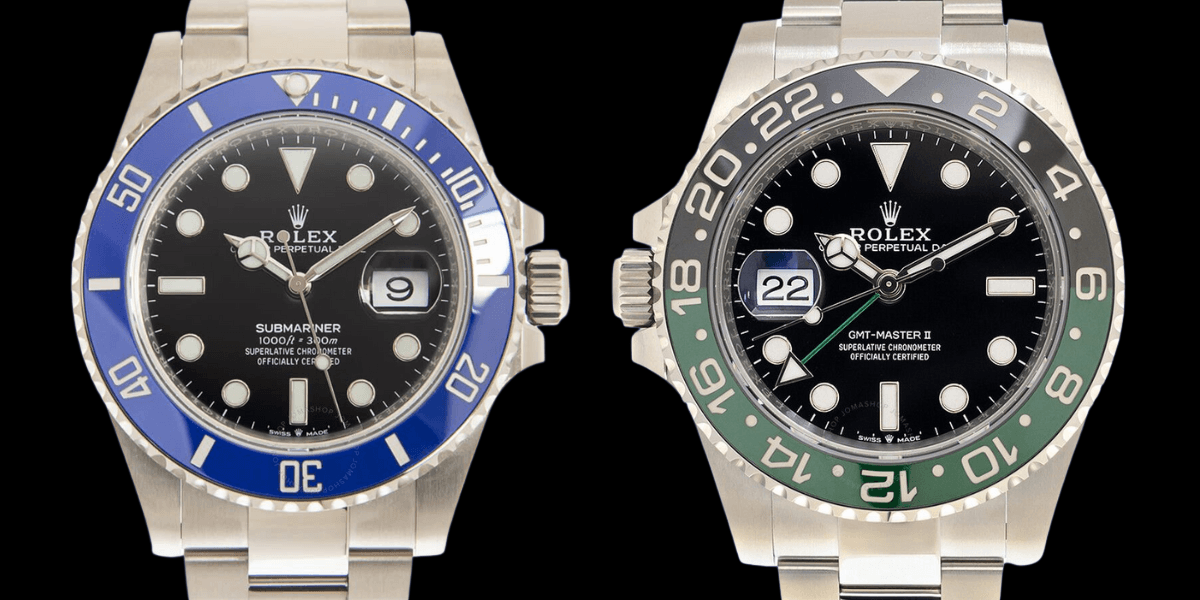
Ceramic bezels have a glossy, almost lacquered appearance. Colors are deeper and more saturated. The platinum-filled numerals catch light in a way that aluminum bezels simply cannot replicate. Some collectors describe ceramic bezels as looking more "perfect," while others feel they lack the warmth and character of aluminum.
One notable achievement in Cerachrom technology is the two-tone bezel. Producing a single ceramic piece with two distinct colors (like the blue and red Pepsi bezel) is extraordinarily difficult. Rolex solved this through a patented process that took years to develop. You cannot achieve this two-tone ceramic look through traditional methods. The first two-tone Cerachrom bezel appeared in 2013 on the GMT-Master II ref. 116710BLNR (Batman).
Durability Comparison
In terms of scratch resistance, ceramic wins decisively. Aluminum bezels scratch easily during everyday wear. Keys, door frames, desk edges, and countless other surfaces will leave marks on an aluminum insert. Ceramic resists all of these common abrasion sources.
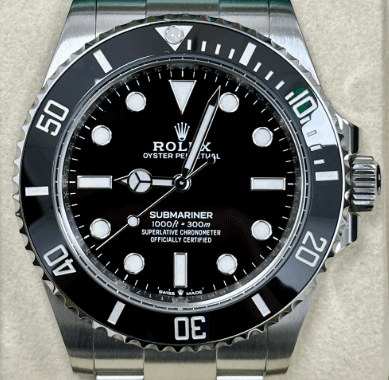
However, ceramic has one vulnerability that aluminum does not: it can crack or shatter on hard impact. While aluminum will dent and scratch, it absorbs impact energy through deformation. Ceramic is harder but more brittle. A sharp knock against a hard surface (like concrete or a metal railing) can chip or crack a ceramic bezel. Replacing a damaged Cerachrom insert is also significantly more expensive than replacing an aluminum one.
Impact on Value and Collectibility
This is where things get interesting for buyers and sellers. Aluminum bezels are no longer in production for most Rolex sport models, which makes them inherently vintage. A well-preserved original aluminum bezel insert in a desirable faded color can be worth more than the entire watch was when new. Collectors specifically seek out bezels with unique patina patterns.
Ceramic bezels, on the other hand, maintain their appearance indefinitely. This means a used ceramic Rolex looks nearly identical to a new one (assuming the case and bracelet are in good shape). For buyers who want a watch that will always look fresh, ceramic is the clear winner. But for collectors who value the aging story of a timepiece, aluminum holds a certain irreplaceable charm.
Practical Considerations for Buyers
If you are buying a pre-owned Rolex with an aluminum bezel, inspect the insert carefully. Look for signs that the bezel has been replaced (mismatched fading between bezel and dial aging, a suspiciously bright insert on an otherwise worn watch). An original bezel in naturally faded condition is almost always more desirable than a replacement insert on a vintage piece.
For ceramic models, check for chips along the bezel edge, particularly near the 12 o'clock marker where impacts are most common. Even small chips are noticeable on the smooth ceramic surface and can affect resale value. Unlike aluminum, ceramic bezels cannot be repaired. They can only be replaced entirely.
Which Should You Choose?
If you want a daily-wear Rolex that will shrug off years of use without showing its age, ceramic is the practical choice. It requires less care, looks sharp longer, and represents the current state of Rolex technology.
If you are drawn to vintage watches, appreciate the character that comes with natural aging, or want a watch that tells its own unique story over time, an aluminum bezel model has a personality that ceramic cannot match. Both materials have clear advantages. The best choice depends entirely on what you value most in a watch.
Think You Know Rolex?
Put your knowledge to the test with the free 12-question Chronodex challenge. No account required. See how you rank against thousands of other enthusiasts.
Take the Free ChallengeThis article is for educational purposes only. Chronodex is not affiliated with, endorsed by, or sponsored by Rolex SA, Rolex USA, or any of their subsidiaries. All brand names are used for educational and identification purposes only.